0% interest for 4 months on orders over £99*
Choose PayPal Credit at the checkout. Find out more.
What is PayPal Credit?
PayPal Credit is like a credit card, without the plastic. It’s a credit limit that sits alongside your PayPal account which you can use for your online purchases.
How do I apply?
Applying for PayPal Credit is easy. Just click on the PayPal Credit button on our checkout page.
The application form takes minutes to complete. PayPal will then run a credit check and, if approved, you’ll have a credit limit linked to your PayPal account as soon as you accept your Credit Agreement.
You can use the credit limit granted to pay for today's purchase and future purchases at thousands of online stores where PayPal is accepted, up to your credit limit.
Before you apply, please make sure you:
Are a UK resident aged 18 years or older
Have a good credit history
Have not recently been declared bankrupt
Be employed and have an income greater than £7,500 per year
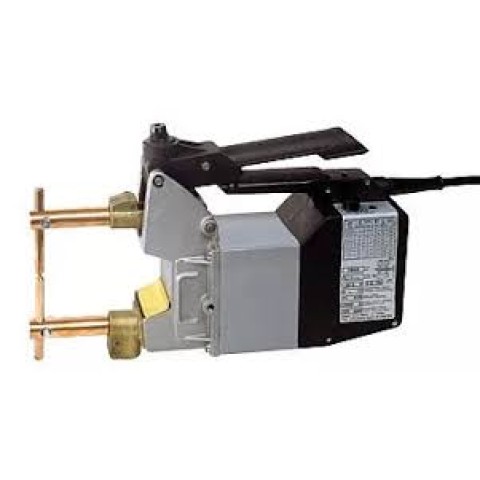
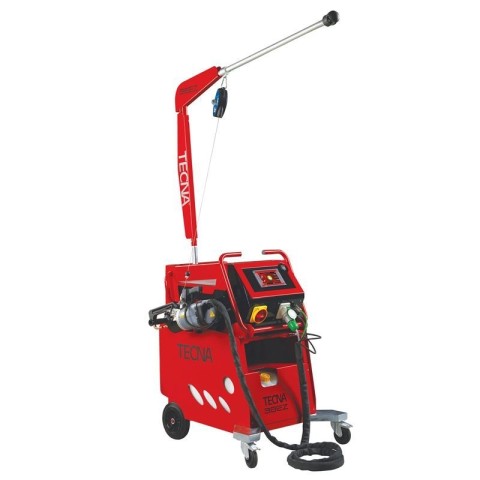
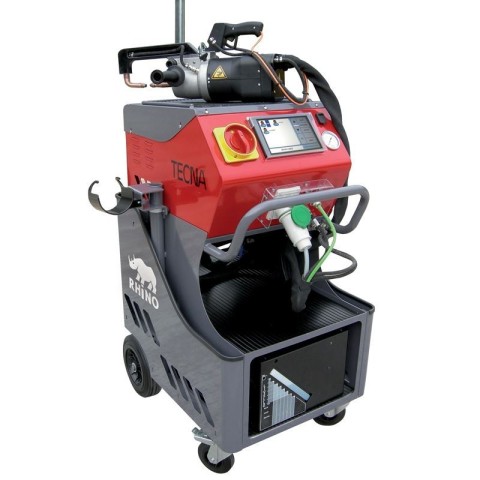
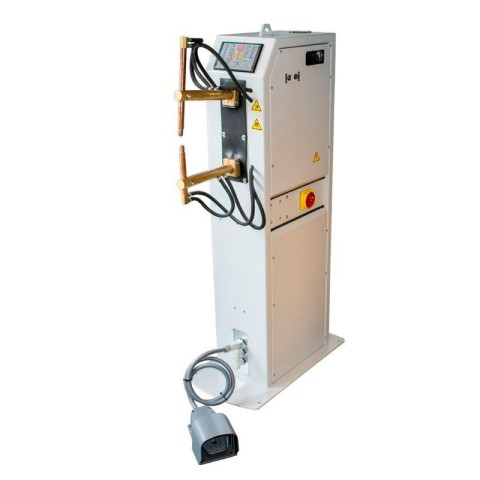
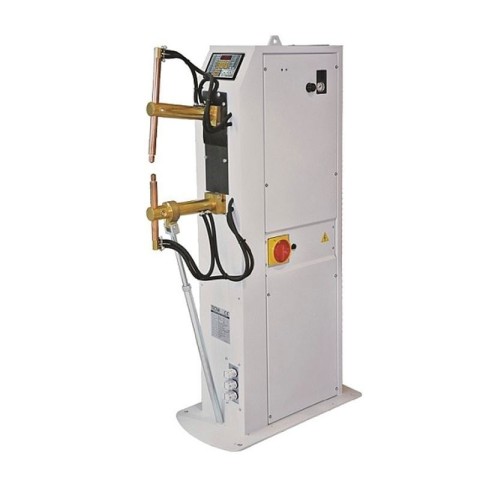
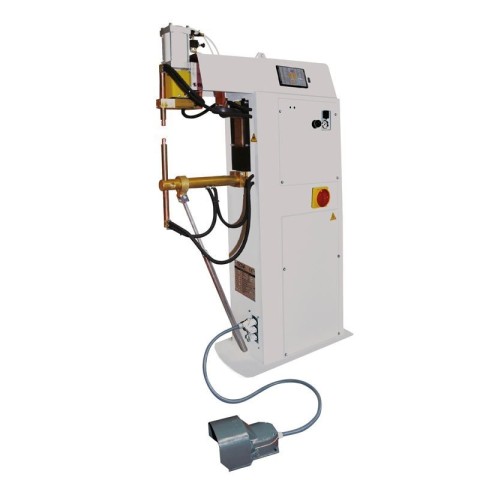
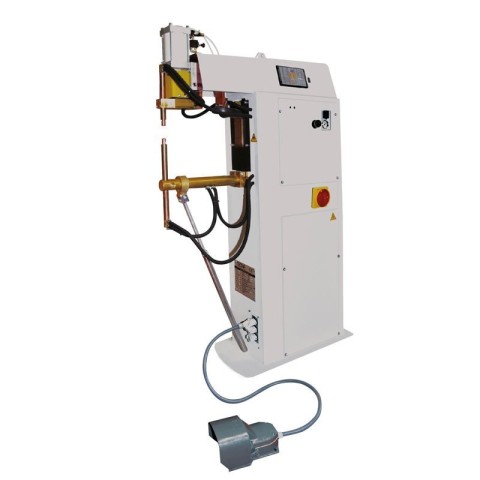
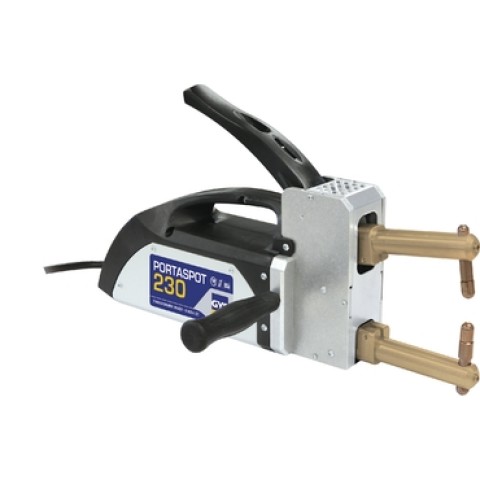
A multi-purpose portable welder designed specifically for fast, efficient car body repair. Ideal for straightening panels, pulling dents, repairing double-skin areas and carrying out resistance welding tasks directly on the vehicle without stripping interiors.
Package Includes
Auto Spotter Unit (240V) Puller System Handle (Item 20002) Electrodes 7602, 7603, 7604 Power cable
This is ideal for:
Automotive body repair Dent pulling and panel straightening Localised sheet heating Repairing double-skin areas without removal Body shops, mobile repair vans, maintenance workshops
What Does It Weld / Repair?
Nails and washers for sheet straightening Screws and rivets (resistance welded) Localised sheet heating Double-skin and concealed panel areas General automotive dent and panel repair
Features
Mainly used in car body repair Resistance welding of nails and washers for sheet straightening Enables repair of double-skin areas without removing interior trims or fitments Cuts body repair costs and speeds up workflow Resistance welding of screws and rivets Localised heating of sheets for easier shaping Available in 2 versions:
7600 – Without timer 7660 – With timer Supplied complete with:
Handle (item 20002) Electrodes 7602 / 7603 / 7604
Technical Data
Supply Voltage: 230 VAC ~ 50/60 Hz Mains Protection (Delayed): 16 A Nominal Power (50% ED): 0.8 kVA Maximum Welding Power: 6 kVA Maximum Secondary Current: 2250 A No-Load Secondary Voltage: 3 V Weight: 6 kg
Why Buy This Auto Spotter Kit?
This compact 240V Auto Spotter is designed to speed up panel repair work and significantly reduce labour time and cost. It allows technicians to straighten panels, weld pulling nails/washers, heat localised areas and repair double-skin surfaces without removing trims or interior parts.
The included puller and electrode set make it ready to use straight out of the box — ideal for bodyshops, accident repair centres and mobile repair professionals looking for fast, reliable dent-pulling performance.
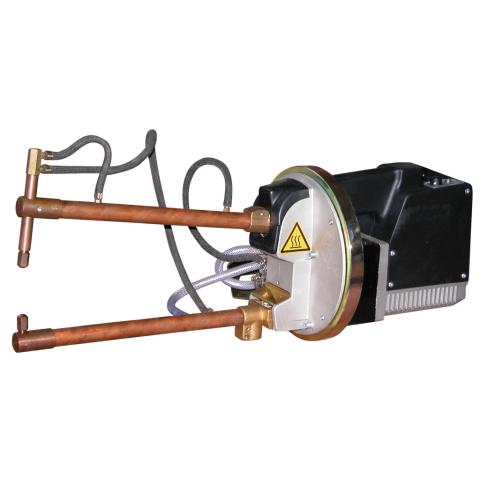
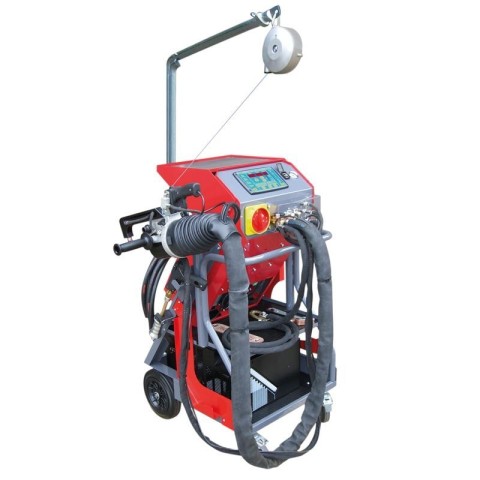
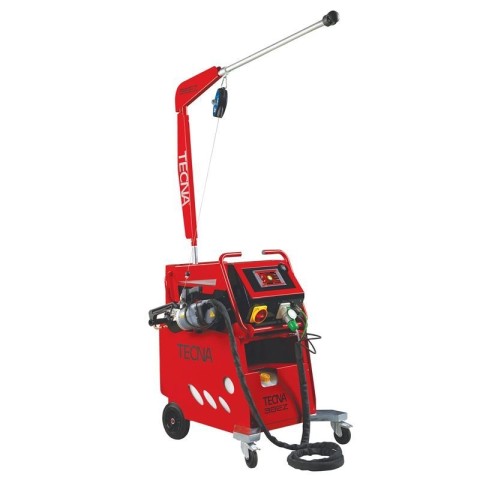
What electrode materials are compatible with Tecna spot welders?
Copper chrome and silver coated electrodes are recommended for conductivity and durability.
Do Tecna spot welders provide welding data logging?
Advanced models include built in logging for weld parameters and traceability.
Can Tecna spot welders integrate with production lines?
I/O modules allow PLC integration for automated welding sequences.
Are Tecna spot welders equipped with foot pedals or hand switches?
Some models offer both foot pedal and hand switch options are available based on operator preference.
What cooling options exist for Tecna spot welders?
Water cooled electrode holders and transformers maintain stable temperatures.
What cycle times do Tecna spot welders achieve?
High speed models reach cycle times as low as 0.5 seconds per weld.
How is welding force adjusted on Tecna spot welders?
Pneumatic or servo driven actuators control electrode force via the user interface.
What throat depths are available on Tecna spot welders?
Models range from 120 mm to 400 mm throat depth for various workpiece sizes.
How much is a spot welder?
The price of a spot welder can vary significantly based on the brand and specifications. Generally, you can expect to pay between £200 and £2,000 for a quality spot welder in the UK. For professional-grade models, prices may exceed this range.
How to use spot welding machine?
To use a spot welding machine, first ensure the machine is properly set up and connected to power. Position the metal pieces to be welded together, then align the electrodes. Activate the machine, applying pressure and current for a few seconds until the weld forms. Release and inspect the joint.
What equipment do welders use?
Welders use various equipment, including welding machines (MIG, TIG, and stick welders), protective gear (helmets, gloves, and aprons), gas cylinders, welding rods, and accessories like clamps and wire brushes. Proper tools ensure safety and quality in welding projects.
What is a multiprocess welder?
A multiprocess welder is a versatile welding machine that can perform various welding techniques, such as MIG, TIG, and stick welding, all in one unit. This flexibility makes it ideal for different projects, allowing users to switch processes easily as needed.
What is amperage in welding?
Amperage in welding refers to the electric current flowing through the welding circuit, measured in amperes (amps). It determines the heat generated during the welding process, influencing penetration and bead shape. Proper amperage is crucial for achieving strong welds.
What is slag inclusion in welding?
Slag inclusion in welding refers to the presence of non-metallic solid materials, such as slag, trapped within the weld bead. This defect can weaken the weld's integrity, leading to reduced strength and potential failure. Proper technique and cleaning can help prevent it.
What is the difference between AC and DC welding?
AC (Alternating Current) welding is ideal for aluminium and magnesium, providing a smoother arc and better cleaning action. DC (Direct Current) welding offers a more stable arc and deeper penetration, making it suitable for steel and other ferrous metals.
Please, mind that only logged in users can submit questions




 Spend £100 for Free Delivery *UK Mainland