0% interest for 4 months on orders over £99*
Choose PayPal Credit at the checkout. Find out more.
What is PayPal Credit?
PayPal Credit is like a credit card, without the plastic. It’s a credit limit that sits alongside your PayPal account which you can use for your online purchases.
How do I apply?
Applying for PayPal Credit is easy. Just click on the PayPal Credit button on our checkout page.
The application form takes minutes to complete. PayPal will then run a credit check and, if approved, you’ll have a credit limit linked to your PayPal account as soon as you accept your Credit Agreement.
You can use the credit limit granted to pay for today's purchase and future purchases at thousands of online stores where PayPal is accepted, up to your credit limit.
Before you apply, please make sure you:
Are a UK resident aged 18 years or older
Have a good credit history
Have not recently been declared bankrupt
Be employed and have an income greater than £7,500 per year
What power source options exist for Hypertherm systems?
Available in 110 V 230 V and three phase power inputs for flexible installation.
How do Hypertherm units manage heat dissipation?
Water cooled torches and modular heat sinks maintain optimal operating temperatures.
Are Hypertherm machines CNC compatible?
All units feature CNC port connectivity for integration with cutting tables and robots.
What software is included with Hypertherm systems?
Feedback software provides real time cutting performance data and consumable tracking.
Do Hypertherm units include True Hole technology?
True Hole delivers precise bolt ready holes without entry or exit bevel.
Which gases are supported by Hypertherm plasma cutters?
Compatible with air oxygen nitrogen and argon hydrogen mixes (e.g. H35) depending on the material.
What cutting thickness can Hypertherm plasma systems handle?
High definition models cut mild steel up to 50 mm and stainless steel up to 45 mm.
How to choose a welder?
When choosing a welder, consider the type of welding you'll be doing (MIG, TIG, or Stick), the materials you'll work with, and your skill level. Look for a machine with the right amperage range, portability, and safety features. Don’t forget to check reviews!
What equipment do welders use?
Welders use various equipment, including welding machines (MIG, TIG, and stick welders), protective gear (helmets, gloves, and aprons), gas cylinders, welding rods, and accessories like clamps and wire brushes. Proper tools ensure safety and quality in welding projects.
What is a multiprocess welder?
A multiprocess welder is a versatile welding machine that can perform various welding techniques, such as MIG, TIG, and stick welding, all in one unit. This flexibility makes it ideal for different projects, allowing users to switch processes easily as needed.
What is amperage in welding?
Amperage in welding refers to the electric current flowing through the welding circuit, measured in amperes (amps). It determines the heat generated during the welding process, influencing penetration and bead shape. Proper amperage is crucial for achieving strong welds.
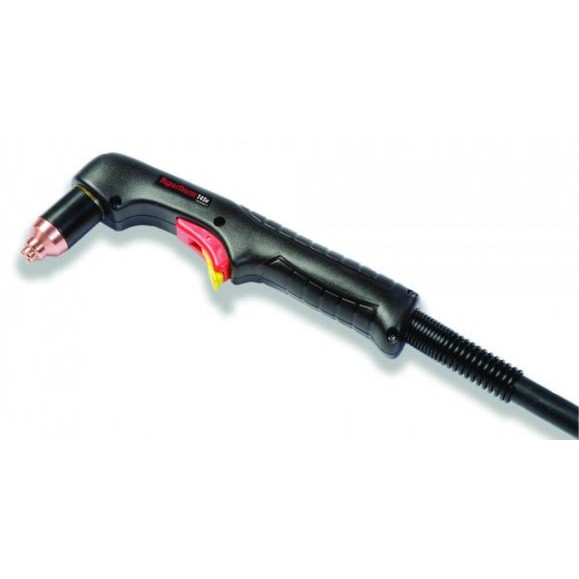
What is plasma torch?
A plasma torch is a tool that generates a high-temperature plasma arc to cut or weld metals. It uses ionised gas to create an intense heat source, allowing for precise and efficient cutting of various materials, making it ideal for industrial applications.
What is welding equipment?
Welding equipment refers to the tools and machines used to join materials, typically metals, through the application of heat and pressure. This includes welding machines, electrodes, torches, protective gear, and accessories essential for safe and effective welding processes.
What kind of welder should I buy?
Choosing a welder depends on your needs. For beginners, a MIG welder is user-friendly and versatile. If you need portability, consider a TIG welder for precision work. For heavy-duty tasks, stick welders are robust. Assess your projects to make the best choice!
What should be done before replacing plasma ARC cutting torch consumables?
Before replacing plasma ARC cutting torch consumables, ensure the power supply is switched off and disconnected. Allow the torch to cool down, then inspect for any damage. Clean the torch and surrounding area to prevent contamination, ensuring a safe replacement process.
Please, mind that only logged in users can submit questions




 Spend £100 for Free Delivery *UK Mainland