0% interest for 4 months on orders over £99*
Choose PayPal Credit at the checkout. Find out more.
What is PayPal Credit?
PayPal Credit is like a credit card, without the plastic. It’s a credit limit that sits alongside your PayPal account which you can use for your online purchases.
How do I apply?
Applying for PayPal Credit is easy. Just click on the PayPal Credit button on our checkout page.
The application form takes minutes to complete. PayPal will then run a credit check and, if approved, you’ll have a credit limit linked to your PayPal account as soon as you accept your Credit Agreement.
You can use the credit limit granted to pay for today's purchase and future purchases at thousands of online stores where PayPal is accepted, up to your credit limit.
Before you apply, please make sure you:
Are a UK resident aged 18 years or older
Have a good credit history
Have not recently been declared bankrupt
Be employed and have an income greater than £7,500 per year
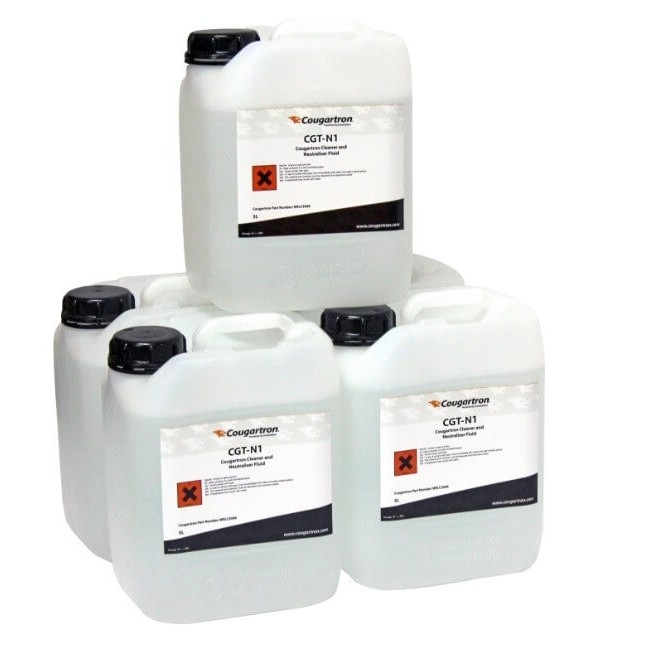
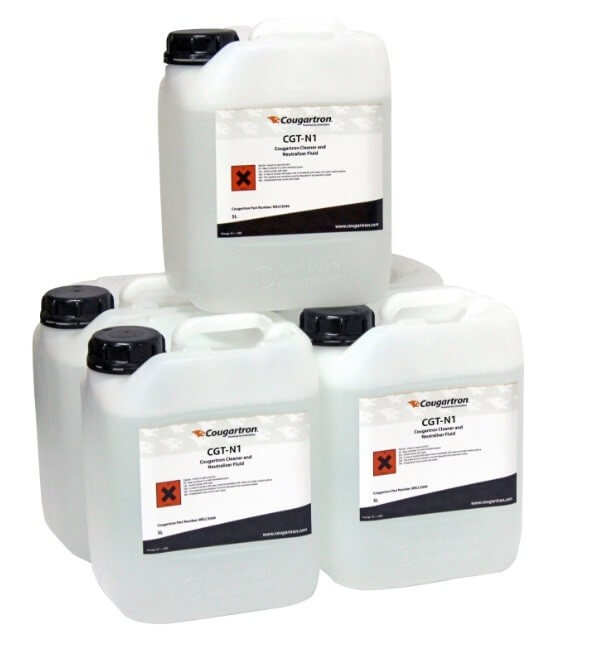
CGT-N1 neutralising fluid is used to effectively remove all traces of acidity from metal surfaces after weld cleaning.
Weight
N/A
Volume
1.3 Gal, 0.5 Qt
Material
Mild phosphoric acid
Application of the fluid
Neutralization
Weld cleaning method
Electrochemical
Supplied with MSDS
Yes
Specifications
General
SKU
CT/WELC3158
Weight (kg)
5
Manufacturer
Cougartron
MPN
WELC3114
Frequently Asked Questions
How to choose a welder?
When choosing a welder, consider the type of welding you'll be doing (MIG, TIG, or Stick), the materials you'll work with, and your skill level. Look for a machine with the right amperage range, portability, and safety features. Don’t forget to check reviews!
How to clean a welder?
To clean a welder, first disconnect it from the power source. Use a soft brush or compressed air to remove dust and debris from vents and components. Wipe the exterior with a damp cloth. For deeper cleaning, consult the manufacturer's manual for specific instructions.
How to clean stainless welds?
To clean stainless welds, start by removing slag and spatter with a wire brush or grinder. Then, use a stainless steel cleaner or a mixture of water and vinegar to eliminate oxidation. Rinse thoroughly and dry to prevent water spots, ensuring a polished finish.
How to clean welds?
To clean welds, start by removing slag and spatter with a wire brush or grinder. For stainless steel, use a stainless steel brush to avoid contamination. Then, apply a suitable solvent or degreaser to remove oils and dirt. Rinse and dry thoroughly for best results.
What equipment do welders use?
Welders use various equipment, including welding machines (MIG, TIG, and stick welders), protective gear (helmets, gloves, and aprons), gas cylinders, welding rods, and accessories like clamps and wire brushes. Proper tools ensure safety and quality in welding projects.
What is a duty cycle on a welder?
The duty cycle on a welder refers to the percentage of time it can operate within a specific period, typically 10 minutes, without overheating. For example, a 60% duty cycle means the welder can run for 6 minutes and must cool for 4 minutes.
What is a multiprocess welder?
A multiprocess welder is a versatile welding machine that can perform various welding techniques, such as MIG, TIG, and stick welding, all in one unit. This flexibility makes it ideal for different projects, allowing users to switch processes easily as needed.
What is amperage in welding?
Amperage in welding refers to the electric current flowing through the welding circuit, measured in amperes (amps). It determines the heat generated during the welding process, influencing penetration and bead shape. Proper amperage is crucial for achieving strong welds.
What is slag inclusion in welding?
Slag inclusion in welding refers to the presence of non-metallic solid materials, such as slag, trapped within the weld bead. This defect can weaken the weld's integrity, leading to reduced strength and potential failure. Proper technique and cleaning can help prevent it.
What is the difference between AC and DC welding?
AC (Alternating Current) welding is ideal for aluminium and magnesium, providing a smoother arc and better cleaning action. DC (Direct Current) welding offers a more stable arc and deeper penetration, making it suitable for steel and other ferrous metals.
What is welding equipment?
Welding equipment refers to the tools and machines used to join materials, typically metals, through the application of heat and pressure. This includes welding machines, electrodes, torches, protective gear, and accessories essential for safe and effective welding processes.
What kind of welder should I buy?
Choosing a welder depends on your needs. For beginners, a MIG welder is user-friendly and versatile. If you need portability, consider a TIG welder for precision work. For heavy-duty tasks, stick welders are robust. Assess your projects to make the best choice!
What to look for in a welding machine?
When choosing a welding machine, consider the type of welding (MIG, TIG, or MMA), power output, duty cycle, portability, and ease of use. Look for reliable safety features, warranty, and compatibility with your materials. Brand reputation and customer support are also key.
What type of welding is the most expensive?
The most expensive type of welding is typically laser welding. This method requires advanced technology and equipment, making it costlier than traditional techniques like MIG or TIG welding. Its precision and efficiency, however, can justify the higher investment.
Where can I buy welding supplies?
Reputable suppliers, such as Premier Welding provides a comprehensive selection of welding supplies, including consumables, accessories, and equipment suitable for all welding processes. High-quality welding supplies can significantly improve efficiency, safety, and weld quality. If you are struggling to find an item on our website, please do not hesitate to contact us.
Please, mind that only logged in users can submit questions




 Spend £100 for Free Delivery *UK Mainland